
What the fizz actually does
Baking soda is sodium bicarbonate, a mild base. Vinegar is a weak acid, mostly acetic acid in water. When they meet, they react and release carbon dioxide, which is the foam you see. The bubbles can nudge loose a thin layer of residue near the drain opening.
The reaction also uses up most of both ingredients. What is left is mostly water and a salt called sodium acetate, which has very little cleaning power. That is why the dramatic foam rarely reaches a clog farther down the pipe.
Pouring baking soda first and vinegar second keeps the bubbling in the drain instead of in the sink. A cup of baking soda and a cup of vinegar is the usual amount for a kitchen or bathroom sink.
The traps and vents that make a drain work are set by the California Plumbing Code, which is built on the Uniform Plumbing Code (UPC), so a clog that keeps returning may be a layout problem rather than a cleaning problem.
What it can do and what it cannot
A fair test of any home remedy is whether it removes the cause. Here is how this one stacks up.
It can help with
- Mild odor from a film in the drain opening
- Soap residue near the strainer
- A slow drain that still moves water
- Routine monthly freshening of a bathroom sink
It cannot fix
- A hair clog that has formed a mat in the trap
- A grease plug further down the line
- Tree roots in a sewer lateral
- A toilet or main line that backs up
If the water is standing, adding more liquid just raises the level. Use a plunger or call, and do not pour in anything else.
How to use baking soda and vinegar safely
Keep it simple and keep it to drains that still move water.
- Clear standing water first. Bail the sink with a cup so the mix reaches the pipe instead of floating on top.
- Pour in about a cup of baking soda. Use a funnel if the drain is narrow, and tap the powder down with a spoon.
- Add a cup of warm vinegar. Cover the drain with a plug or a wet cloth so the foam works downward.
- Wait 15 to 30 minutes. Longer waits do not add much, since the reaction ends quickly.
- Flush with hot tap water. Run the tap for a minute or two. Use hot tap water rather than boiling, because boiling water can soften plastic pipe joints.
Do not mix vinegar with bleach or with a commercial drain cleaner. The combination can release harmful fumes.
Home remedy did not help?
Call the 24/7 line and tell the dispatcher what you tried. A plumber will clear the line and give a clear price before work starts.
Hard water changes the story
Vinegar dissolves some calcium scale, which is the white crust hard water leaves on fixtures. That makes it useful on a showerhead or aerator you can soak. It does very little to scale inside a buried drain pipe, because the contact time is short and the mix is spent after a few minutes.
Goleta water and sewer notes for drain care
Goleta Water District's 2025 water quality report gives a customer average of 21 grains per gallon, and the district calls the supply very hard. Hard water makes soap form a sticky curd instead of rinsing away, so bathroom drains build a film faster than in soft water areas. A monthly vinegar rinse on strainers and aerators helps, but it will not clean the pipe wall.
Goleta Sanitary District's October 2021 newsletter says fats, oils and grease belong in the trash, not the drain, and that wipes should not be flushed. Home remedies cannot remove grease that has already hardened inside the line, so keeping it out is the real fix.
Signs it is time to stop and call
Some drain problems are beyond a pour-in remedy. This table shows the patterns that call for a plumber.
| What you see | What it likely means | Next step |
|---|---|---|
| Water stands in the sink for minutes | A solid clog in the trap or branch | Stop pouring and call for drain cleaning |
| The same drain slows again within weeks | Grease, scale or roots re-trapping debris | Ask about a camera look and hydro jetting |
| Two or more fixtures drain slowly | A shared branch or the main line | Stop using water and call |
| Water rises in a tub or floor drain | A blocked main line | Call the 24/7 line right away |
| Sewer smell outdoors near the cleanout | Waste standing in the lateral | Call, and avoid opening the cleanout |
Why people reach for this remedy and what to do instead
The mix is cheap, safe for most pipes and easy to find in any kitchen. That makes it a sensible first move on a slow drain. The mistake is treating it as a cure for a clog that has been building for months.
For hair in a bathroom sink, a plastic drain strip or a hand-held snake pulls it out directly. For a kitchen drain with grease, a cup of dish soap followed by hot tap water breaks some of the fat. A plunger helps where there is a seal over the drain.
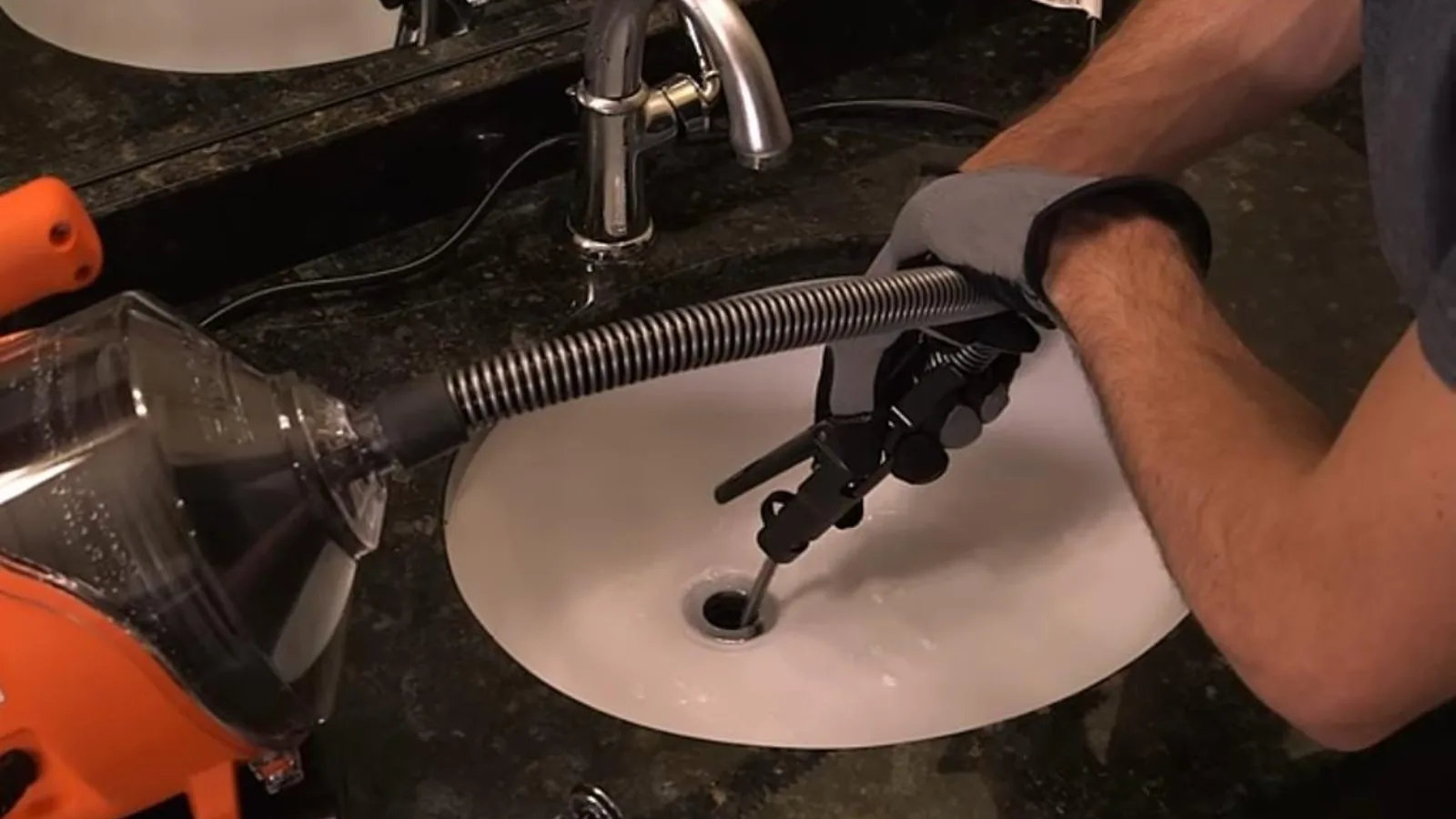
A plumber's cable or jetter reaches past the trap, scrapes the pipe wall and rinses the debris away. That is the difference between a drain that clears for a week and one that stays clear.
Rentals and shared drains
In Isla Vista, where Census figures show only 1.2 percent of homes are owner-occupied, a pour-in remedy in one unit does nothing if the blockage sits in a line that serves several units. Tell the landlord or property manager, who can call the 24/7 line.
In Montecito, which is almost entirely single-family estates, a recurring slow drain usually points to that house's own pipes. A camera look finds out whether the cause is grease, scale or a root.
Questions we hear most
It can loosen a thin film near the drain opening, but it rarely clears a real clog. If water stands in the sink after one try, the blockage is solid or farther down, and a plunger or a plumber is the better next step.
Fifteen to thirty minutes is plenty. The reaction ends after a few minutes, so a longer wait adds little. Flush with hot tap water afterward to carry loosened residue along.
It is gentle for most pipes, including PVC, ABS, copper and cast iron. Avoid boiling water on plastic joints. Do not combine vinegar with bleach or a commercial drain cleaner.
Hard water makes soap form a sticky curd that coats pipe walls and catches hair. Goleta Water District's customer average is 21 grains per gallon, so bathroom drains often slow before other fixtures.
That means the cause is still there. Roots, grease layers or scale are reforming the clog. Ask for a camera inspection and a jetting pass so the pipe wall is cleaned instead of poked through.
No. Goleta Sanitary District asks customers to put fats, oils and grease in the trash. Vinegar cannot dissolve hardened grease inside the line, and the layer will build up again.