
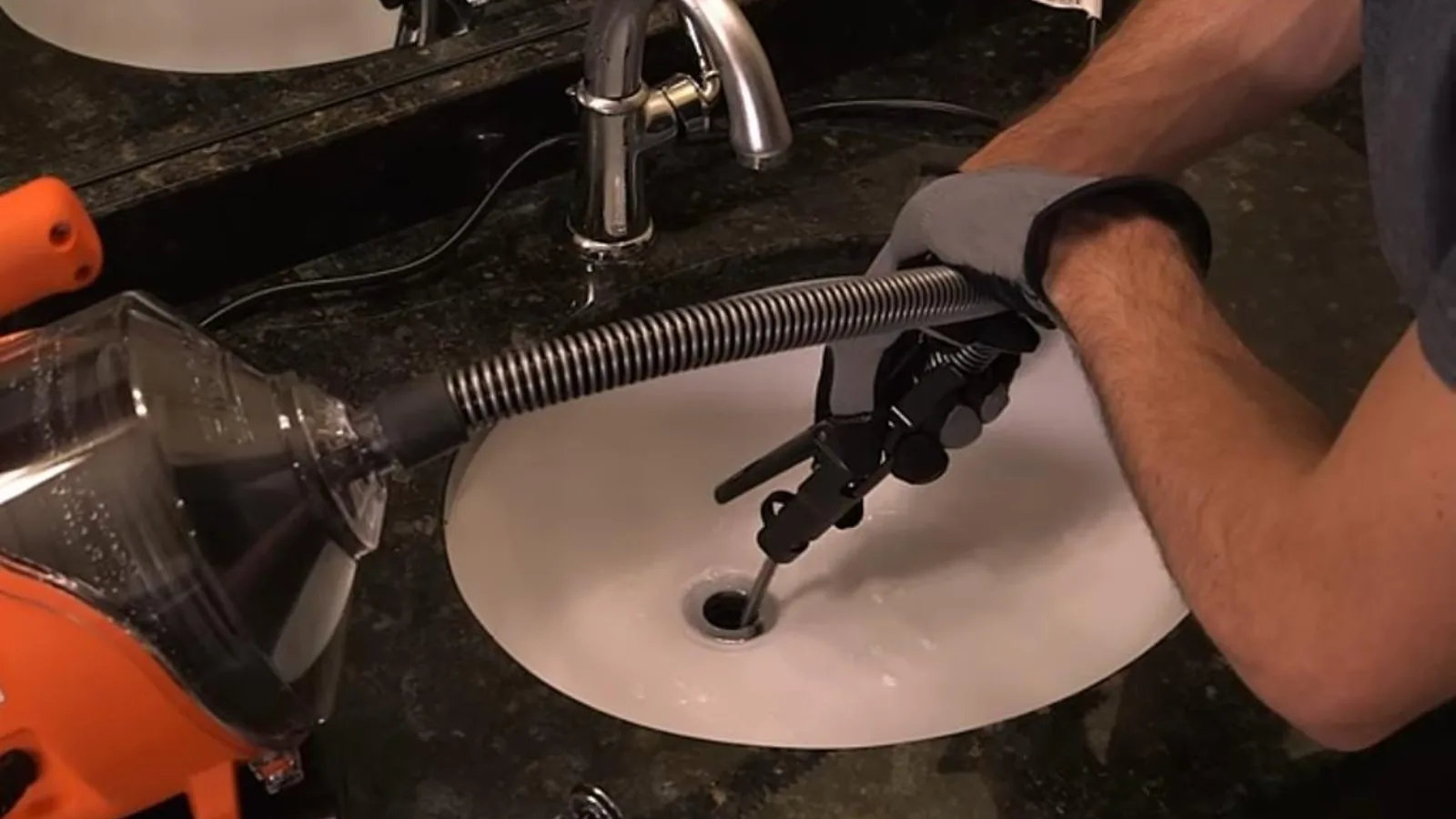
When a clogged drain is an emergency, and what to do first
Most slow drains can wait for the next appointment. A few situations cannot, because wastewater is already heading somewhere it should not go.
Sewage is coming up
Water rising in a shower, tub or floor drain when a toilet is flushed or the washer runs points to a blocked main line. Stop using every fixture and call right away.
Several fixtures are affected
A toilet that gurgles when the sink drains, or a tub that fills during a flush, means the blockage sits past the branch lines.
The only toilet will not flush
A single bathroom with a blocked toilet is an urgent problem for any household. Keep the lid down and do not keep flushing.
Water is near outlets or appliances
Overflow that reaches a washer, a water heater closet or a wall outlet raises the stakes. Turn off power to that area if you can reach the panel safely.
If wastewater has already reached carpet or drywall, keep children and pets away and avoid handling it with bare hands. The plumber clears the line first, and cleanup decisions follow.
What clogs drains around Goleta
Goleta Water District's own page calls the local supply very hard, and its 2025 water quality report gives a customer average of 21 grains per gallon. In drains, hard water makes soap form a sticky curd that coats pipe walls and catches hair. That is why bathroom sinks and tubs often slow down before anything else in the house.
Roots are the other repeat offender. A Goleta West Sanitary District newsletter from fall 2018 says its camera inspections found sewer defects mainly caused by root intrusion. Roots also enter private lines at joints, then snag paper and wipes. A line that clears for a week and clogs again often has roots in it, and that calls for hydro jetting rather than another quick snake.
Goleta Sanitary District asks customers to flush only human waste and toilet paper and to keep grease out of the drain. Wipes do not break down the way paper does, and cooking grease hardens on cool pipe walls. If a clog followed a run of wipes or a greasy meal, a snake usually clears it. If nothing obvious caused it, ask for a camera look.
Is it the fixture or the main line?
Where the water goes tells you more than how slowly it drains. These patterns help a dispatcher decide what to send.
- One fixture is slow and the rest are fine. The clog is usually in that fixture's trap or branch line, which a hand auger reaches.
- Two or more fixtures on the same floor are slow. A shared branch line is partly blocked, often with grease, soap curd or hair.
- A toilet gurgles when the sink or shower drains. Air is being pushed back through a line that is restricted farther along.
- The lowest drain in the house bubbles or rises during laundry. The main line or lateral is blocked, and water has nowhere else to go.
- A sewage smell comes from the outdoor cleanout. Waste is standing in the lateral, so the blockage is between the house and the street.
Kitchen sink clogs and the dishwasher line
Kitchen lines carry more grease than any other drain in the house, and they are usually only 1.5 inches wide. Grease and food particles cool at the first bend and build up layer by layer. A kitchen sink that drains a little slower each month is telling you the pipe is narrowing, not just sticky.
A dishwasher that leaves standing water in the bottom, or a sink that fills when the dishwasher drains, shares the same line. If the sink has a disposal, a jam or a failed seal there can look like a drain clog, so the plumber checks both. For a humming disposal that will not spin, see garbage disposal repair.
Clearing a kitchen line properly means reaching past the trap to the wall of the pipe. A cable with a cutting head scrapes the grease layer, and a jetter rinses what the cable loosens. Pouring hot water or a chemical cleaner alone tends to move the grease farther down, where it hardens again.
Snake, cable or jet: matching the method to the clog
Different clogs need different tools. This table shows how the common methods compare.
| Method | Best for | Limits |
|---|---|---|
| Plunger or trap cleaning | Single fixtures with a soft clog near the drain | Does not reach past the trap arm |
| Hand auger (drain snake) | Hair and soap curd in 1.5 to 2 inch lines | Pokes a hole through grease rather than cleaning the wall |
| Cable machine | Main line blockages and roots, run through a cleanout | Cuts a path, so the pipe wall may stay coated |
| Hydro jetting | Grease, scale and root debris left after cabling | Needs a sound pipe, so a camera check comes first |
What changes the price of drain cleaning
Two clogs that look alike from the sink can cost very different amounts to clear. We give you a clear price before work starts, and these are the things that move it.
Homeowner policies often exclude routine clog clearing, but sudden sewage backup coverage is an endorsement some policies include. Check your policy before the visit and take photos of any water damage.
Lateral, main or district: who fixes what
Two sanitary districts collect sewage in the Goleta area, Goleta Sanitary District and Goleta West Sanitary District, and which one serves a street depends on the address. Goleta Sanitary District's FAQ page says the property owner maintains the lateral from the building to the street main. Ask your district to confirm the boundary for your address.
If a camera or a cable shows the blockage is out in the street main, the district is the one to call. If it sits in your lateral, it is a private plumbing job. Either way, a plumber who can run a camera down the cleanout will tell you which side of the property line the problem is on.
Showers, tubs and other slow drains
Shower and tub drains clog with hair and soap curd just inside the strainer and at the trap. A short hand auger often clears them in one visit. A tub that backs up when the toilet is flushed is a different problem, because the branch line is blocked.
A drain line that leaks under a floor or inside a wall can mimic a clog with a damp smell and slow flow. If clearing does not fix the flow or you see moisture, ask the plumber to check for a leak with leak detection.
Where drain cleaning leads next
Repeat clogs deserve a better diagnosis than another snake. A sewer camera inspection shows whether roots, a belly in the pipe or a cracked joint is behind them, and sewer line cleaning clears the main line once the cause is known.
Older rental buildings with many people sharing one lateral clog more often. In Isla Vista, where thousands of residents share a small area of older housing, property managers tend to schedule a jetting visit before the problem repeats.
Questions we hear most
Yes. The line is staffed 24/7, so a backup at 2 a.m. or on a holiday gets the same dispatch as a weekday call. Tell the dispatcher which fixtures are affected and whether water is rising so the right equipment goes out.
Stop using the drains until the plumber arrives and keep children and pets out of any wet area.
Not on standing water. Caustic cleaners can sit in the pipe, burn skin if a plunger splashes it, and make the plumber's job less safe. For a light slow drain, hot tap water and a plunger are reasonable first steps. If water has not moved in a few minutes, call.
The property owner maintains the lateral from the house to the street main, according to Goleta Sanitary District's FAQ. If sewage backs up and a camera shows the blockage past your cleanout, the district should be contacted. A plumber with a camera can show you where the blockage sits.
Repeat clogs usually mean the cause was never removed. Grease layers, roots and a sagging section of pipe all re-trap debris. A jetting pass and a camera inspection find and clear the real cause.
Tell your landlord or property manager first, since drain repairs are usually their responsibility. Property managers can call the same 24/7 line and give the unit address, and the plumber will confirm the work order before starting.
Yes. Describe where the drain is and what it serves, and the dispatcher will tell you whether it needs a cable, a jetter or a camera. A line that floods the yard after rain is worth a camera check before a repeat clog.